 Kanada FR
 USA
USA Großbritannien
 Europäische Union
 New Zealand
 Australia





























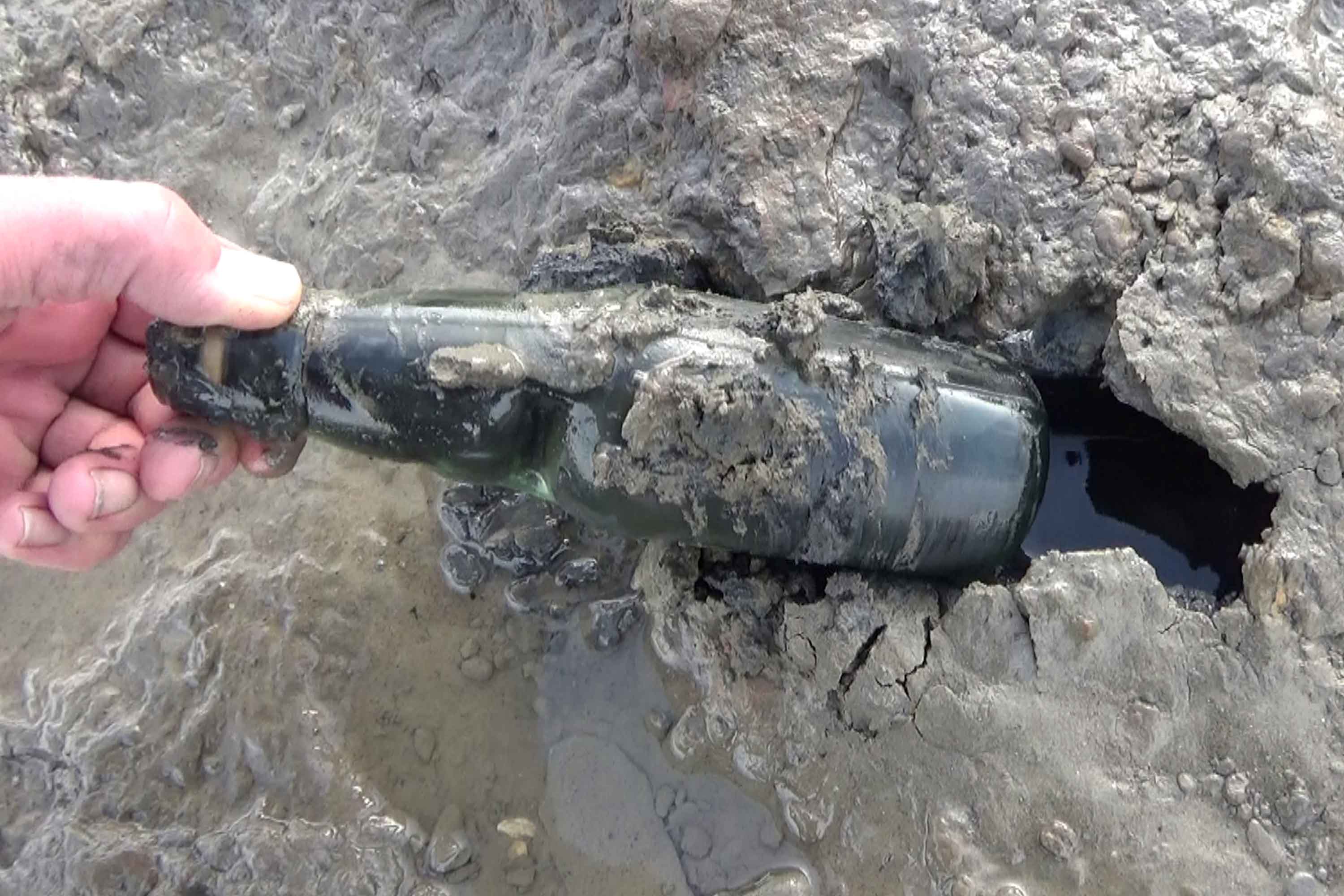
When I found this intact marble stopper bottle sticking out of the mud, I had no idea it would lead me to the remnants of a football stadium built in the late 19th Century for a now rather famous club!
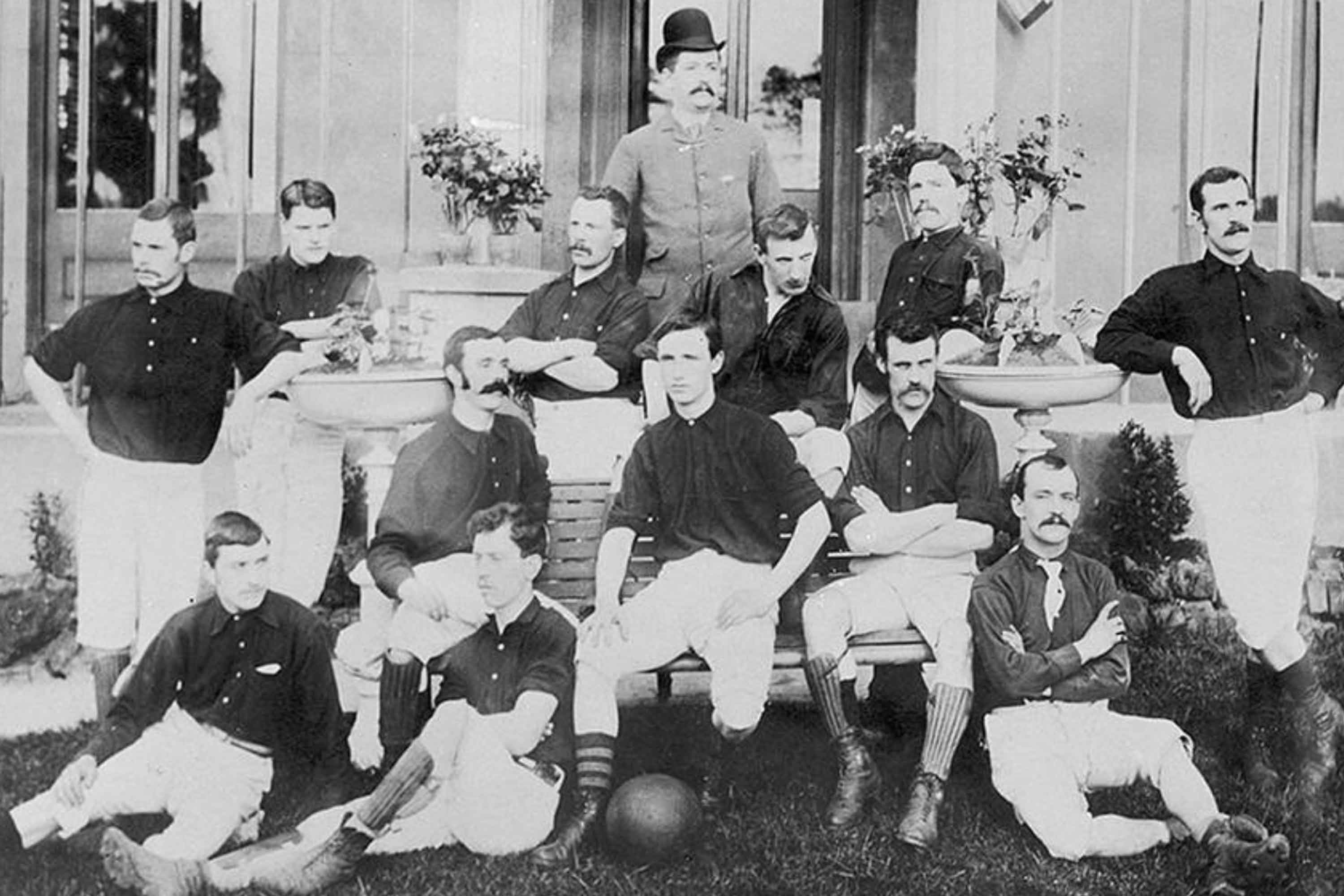
After researching the embossing on the bottle - G. P Weaver – Plumstead - I read all about the Invicta Ground, a football stadium in Plumstead in South East London. Invicta Ground was Arsenal Football Club’s first proper stadium from 1890 to 1893. Many of you may be thinking, “that’s all well and good, but what has the bottle got to do with Arsenal’s football stadium?!”
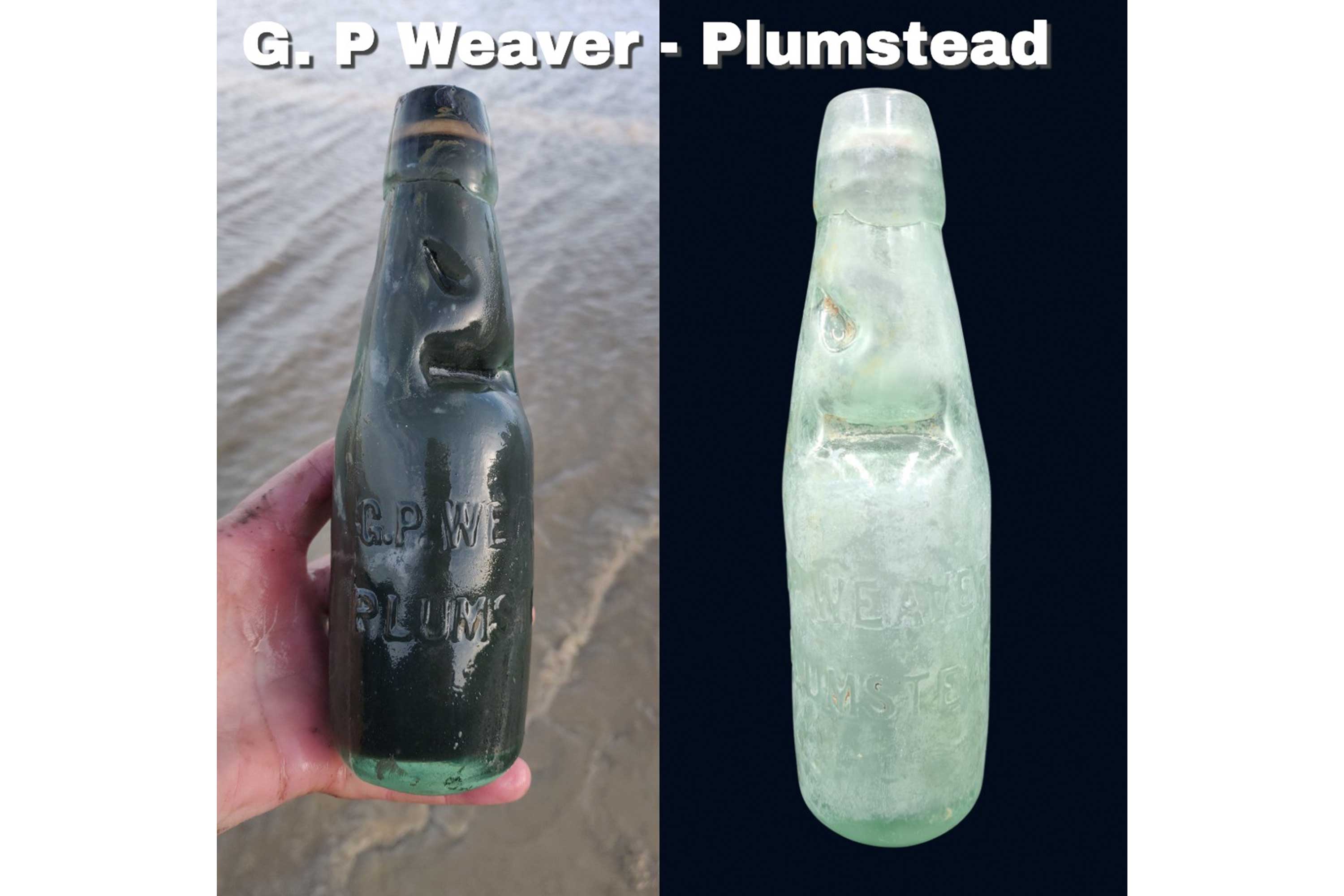 G.P. Weaver (George Pike Weaver) of Plumstead was not only a mineral water manufacturer and a pub magnate, but he also built the Invicta stadium in 1890 (with the help of fifty men and horses and carts) after buying a parcel of land in Plumstead.
He then charged Arsenal, who at the time were an amateur club and moved to Invicta Stadium from the Manor Ground, an annual rent of two hundred pounds. All went well for a period, but in 1891, when Arsenal turned professional, George Pike Weaver increased the rent to three hundred and fifty pounds per year and also tried to take over the club. This did not go down well with Arsenal, and it wasn’t long before they fell out with George.

In late 1893, Arsenal eventually moved back to their original stadium, Manor Ground. George was unable to find another club to rent Invicta to, and the building was left to decay. In 1896, it was demolished, and the site was built over with houses that remain today.
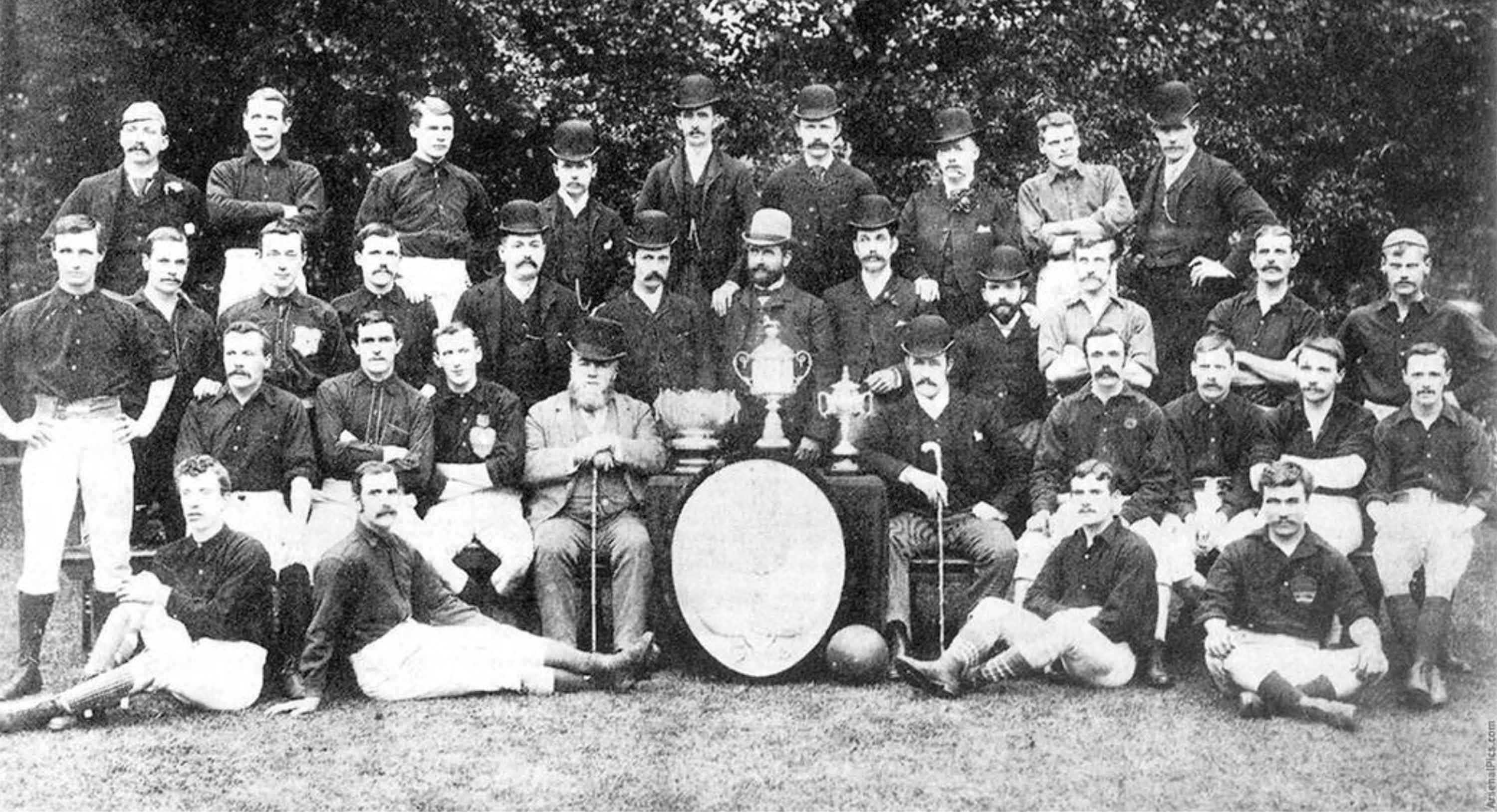
However, that's not the end of the story. I found it fascinating to discover that a couple of gardens in Plumstead (near Hector Street and Mineral Street - yes, named after Weaver's mineral waters) still hold some of the original concrete terracing from the Invicta Ground. They are over 130 years old. With my son Angelo, we set off to find them. And find them we did - in the garden of a gentleman by the name of Dinesh! After knocking on Dinesh’s door and explaining that we were looking to find and photograph the remaining ancient terracing, he kindly let us in and showed us the remnants of Invicta in his garden.
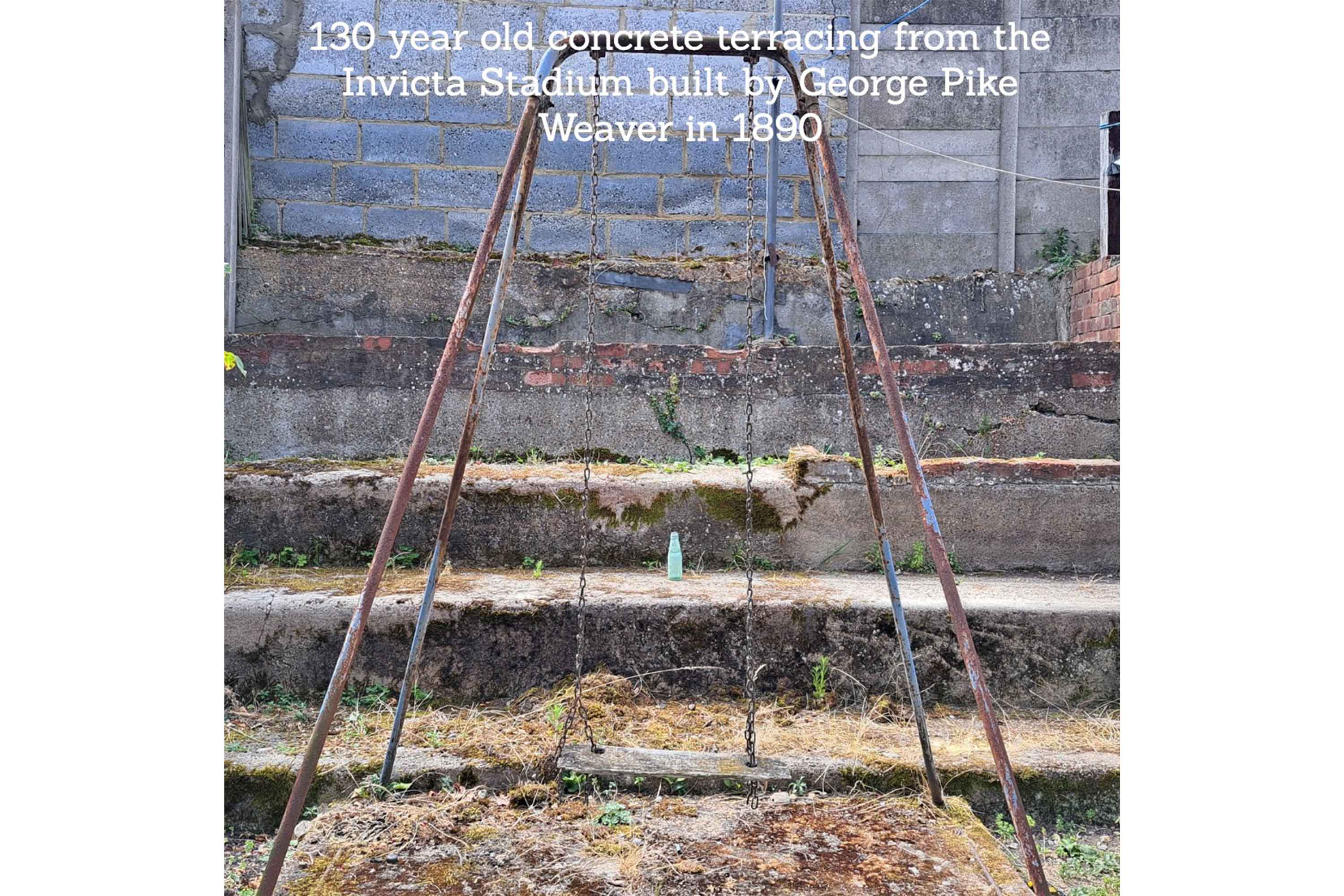
Of course, I brought George Pike Weaver’s mineral water bottle with me to reunite him, for a while, with the stadium he built in 1890. You never know where a find from the Thames will lead you. Mudlarking brings these forgotten stories to light. You can see me finding this lovely little marble stopper bottle and us visiting Dinesh’s garden in this YouTube video https://youtu.be/vDDkWDM8Dwk?si=iH7sEmuVfbiPrcto! Arsenal has certainly come a long way since Invicta, moving to the other side of London!
About Tideline Art
This is Nicola White, self-proclaimed ‘mudlark’ and founder of Tideline Art. Nicola regularly posts videos on her YouTube channel showcasing her incredible treasured finds and artefacts. Over the next 12 months, Nicola will be sharing her fascinating stories and finds with us on the Muck Boot blog!
Moving from Cornwall to London over twenty years ago, I had no idea that the River Thames would reveal such a fascinating and magical world to me, its muddy foreshore at low tide revealing a plethora of historical secrets and figures from the past. I was used to walking along windswept Cornish beaches and discovering finds, but I never imagined that anything similar would be possible in an urban setting such as London.
Follow Nicola White
Instagram – https://www.instagram.com/tidelineart/?hl=en
Facebook – https://www.facebook.com/NicolaWhiteTidelineArt/
YouTube – https://www.youtube.com/channel/UC2K7yEwPIcPaQT5FM78dpyw
Related Product - https://muckbootcompany.de/collections/arctic-sport-ii
More on Mudlarking