 Kanada FR
 USA
USA Großbritannien
 Europäische Union
 New Zealand
 Australia

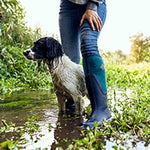











Many wetlands have disappeared globally over the last century, and with them, we have lost a significant amount of the wildlife that depends on this vital habitat.

But fortunately, the tide is turning, and some of the most prominent conservation organisations, landowners and local communities are committed to revitalising our existing wetlands, and also to restoring areas that were formerly drained.

Wetlands are among the most biodiverse and varied habitats in the world. They are home to a huge variety of creatures: insects like dragonflies, a variety of waders like curlew sandpipers and snipe, numerous waterfowl species like swans, ducks and geese, and a variety of mammals like otters and beavers. And they are also a paradise for botanists.

Wetlands naturally make an important contribution to combating climate change. Through the decomposition of plant material in waterlogged conditions, wetlands can be of enormous importance as carbon sinks, and naturally retain a lot of excess water from rivers that would otherwise cause flooding further downstream.

In the future, measures to protect wetlands must be taken. Water abstraction must be reduced, wildlife will return, healthier wetlands bind more carbon and can therefore host a greater variety of wildlife.
As a wildlife photographer, wetlands are amazing, stress-free places to visit. In the UK, organisations such as the Wildfowl and Wetlands Trust, RSPB and Wildlife Trusts continue to maintain some great wetland centres that can be visited. The hope for the future is that these organisations can conserve and create new wetlands both here in the UK and beyond.
About Gary Jones
Gary Jones is a full-time wildlife photographer and guide living in North Wales near the beautiful and rugged Welsh coast and Snowdonia. As a boy, Gary had a passion for nature and especially for wildlife. Today he travels far and wide to photograph wildlife.