 Kanada FR
 USA
USA Großbritannien
 Europäische Union
 New Zealand
 Australia



















The Saving Wildcats partnership project, led by the Royal Zoological Society of Scotland, hopes to release the first group of around 20 wildcats into the Cairngorms National Park from 2023, to help restore the population of Scottish wildcats – their very own Highland Tigers. This would be the first time wildcats have been released into the wild in the UK, and the project team has been working hard to ensure this planned release is as successful as it can be.
The 2022 mating season, the first for the project, has been hugely successful so far, with several litters born at a dedicated conservation breeding-for-release centre at a non-public area at Highland Wildlife Park.
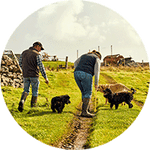
Alongside the ex-situ breeding programme – the part we can do within the park – the in-situ field team has been busy making numerous preparations in the potential release areas, to help mitigate threats and ensure the areas are suitable for wildcats to be released into.

This includes numerous ecological surveys, including large-scale surveying of the release sites and surrounding areas using trail cameras. Trail cameras are digital cameras equipped with an infrared motion sensor, which are triggered by heat and movement. When the camera detects an animal, it records an image or video to the memory card, to be retrieved later, such as the photo of the shoveler and her ducklings below. These handy devices can be left in the field to continuously monitor a habitat area for several weeks, allowing our field team to monitor the different species living in the area.

The team also carry out specific species surveys, such as for small mammals, voles, and rabbits. These surveys involve walking vast distances, looking for signs such as feeding remains, latrines, and droppings.

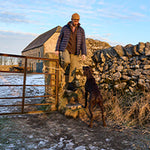
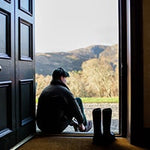
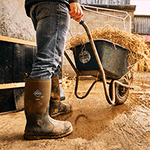
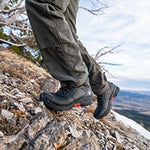
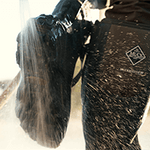
The Saving Wildcats project and their field team are very grateful for their boots from Muck Boot, keeping their feet dry in the unpredictable and often wet Scottish Highlands! Lou, pictured below, is a veteran member of the team and loves her Derwent II Short Boots. She says they are not only great at keeping the rain out, but her feet are also comfortable in them when walking for hours every day from one remote trail camera site to the next.

About the Saving Wildcats project
The Saving Wildcats project is led by the Royal Zoological Society of Scotland (RZSS) in collaboration with NatureScot (formerly Scottish Natural Heritage), Forestry and Land Scotland (FLS), Cairngorms National Park Authority (CNPA), Norden’s Ark and Junta de Andalucía.
The project is funded by the European Union’s LIFE Programme and with the generous support of the Garfield Weston Foundation, The National Trust for Scotland, People’s Trust for Endangered Species and The European Nature Trust.
More from the Saving Wildcats Project
Related Products
Derwent II All-Purpose Rubber Boots