 Kanada FR
 USA
USA Großbritannien
 Europäische Union
 New Zealand
 Australia


















Wildcats – not to be confused with domestic cats – are the last native wild cat in Great Britain. With their distinctively striped, thick, and bushy tails, these charismatic animals are Scotland’s very own Highland Tigers.
Once widespread throughout Great Britain, the species is now on the brink of extinction in Scotland. This sad development, linked to habitat loss, persecution, and more recently interbreeding with domestic cats, has brought the Scottish wildcat to a point where its population is no longer viable. Without a carefully managed conservation breeding program with reintroductions, this distinctive animal is very likely to become extinct.
This is precisely why the "Saving Wildcats" project was launched. We are a European partnership project dedicated to protecting and reintroducing the Scottish wildcat, aiming to prevent its extinction in Scotland through breeding and reintroduction. The project, based at the Royal Zoological Society of Scotland's Highland Wildlife Park near Aviemore in the Scottish Highlands, builds on decades of research and experience and has already established Great Britain's first dedicated conservation breeding and reintroduction centre (CBRC). In this centre, experienced animal keepers, veterinarians, and scientists work together to reintroduce wildcats from 2023 at specially selected locations in the Cairngorms National Park.
Preparations for these reintroductions are extensive, including the careful care of 16 wildcats currently housed at the CBRC. It is currently mating season, and our wildcats have shown encouraging signs of mating behavior in their large and natural enclosures.
We hope that these wildcats, including Droma (pictured), will become parents this spring. The cubs born at our centre this year will be the first to be released into the wild next year. Alongside this work, our dedicated field team is surveying potential release sites to ensure that the chosen areas are suitable for the wildcats and that they can thrive there after their release.

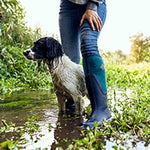
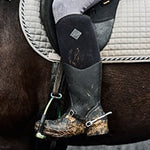
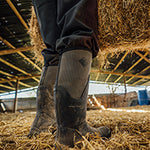
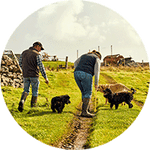
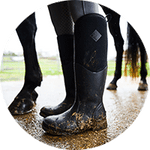
This exciting work means that we are constantly in the snow, rain, and mud, and our entire team practically lives in Muck Boots. Whether we are feeding the wildcats in their enclosures or trudging through numerous wet and challenging environments to look for signs of voles in potential release sites (a popular snack for wildcats!), the Muckmaster and Derwent II short boots keep our feet comfortably dry.
We are delighted to share such an important conservation project with a new audience who know all too well the importance of working in the mud. To find out more about our work, go to www.savingwildcats.org.uk and keep an eye out for our next blog post, coming soon!

About the "Saving Wildcats" project
The "Saving Wildcats" project is led by the Royal Zoological Society of Scotland (RZSS) in partnership with NatureScot (formerly Scottish Natural Heritage), Forestry and Land Scotland (FLS), the Cairngorms National Park Authority (CNPA), Nordens Ark and Junta de Andalucía. The project is funded by the European Union's LIFE program and with the generous support of the Garfield Weston Foundation, the National Trust for Scotland, the People's Trust for Endangered Species, and the European Nature Trust..

Related Categories
Muckmaster Rubber Boots
Derwent II Rubber Boots