 Kanada FR
 USA
USA Großbritannien
 Europäische Union
 New Zealand
 Australia

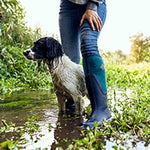
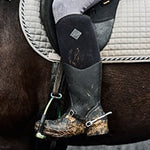
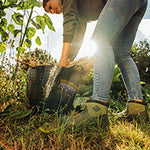

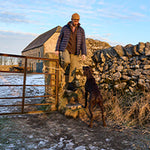
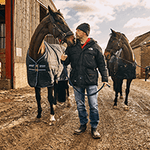


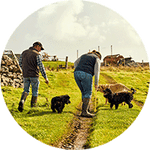











We recently visited the River Cottage HQ, on the border of Devon and Dorset, for a day packed full of outdoor activity and fantastic food - to continue our 20th Anniversary celebrations.
With its well-known field-to-fork ethos, River Cottage has helped to change the eating habits of the nation, as well as improve animal welfare and sustainability.

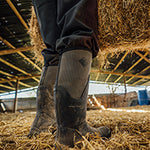
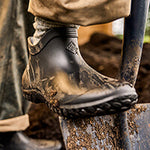
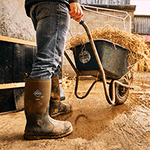
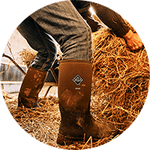
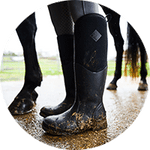
To kick off the day, we hopped straight onto a tractor, heading down the hill to River Cottage, the headquarters for the farm and cookery school. With plenty of muddy activities ahead, a pair of robust boots - #MuckProof - were simply essential.

River Cottage shares our passion for local, seasonal produce and so we started the morning with a farm tour, where we were allowed to pick and nibble as we went along. Then we potted up our own strawberry plants in the polytunnels.

After exploring the land in our wellies and rummaging through the gardens with the River Cottage gardeners, we then took part in a wood-fired cooking demonstration, utilising the herbs we found in the garden.

We learned the possibilities of wood-fired cooking are endless - from high heat grilling, to slow cooking on the embers. We have even included a delicious River Cottage lamb recipe from the cookery demonstration below.

To conclude a wonderful day of food, foraging and plenty of fun, we enjoyed a feast of fresh, seasonal, farm-reared ingredients in the impressive farmhouse dining room.
The River Cottage Recipe for Pit-Baked Lamb Breast
Serves 6
Lamb has an earthy, almost herbaceous flavour, which is only enhanced by the natural flavours imparted when cooking underground. In this recipe, a lamb breast is placed on a smouldering bed of rosemary and fennel fronds, then draped with large chard leaves to protect it from the earth. The pit oven essentially steams the food so it doesn’t produce the dark, caramelised flavours you get from roasting. This is why I sometimes like to char the meat over the fire before it goes into the pit. This gives you the best of both worlds and also kick-starts the cooking process.
1 whole lamb or hogget breast, about 2kg
2 tbsp olive oil
A few handfuls of rosemary sprigs, fennel fronds, parsley stalks or other ‘woody’ herbs, such as thyme
A few handfuls of large chard or vine leaves
Sea salt and freshly ground black pepper
4 tbsp Dijon mustard
1 large bunch of flat-leaf parsley, finely chopped
3 tbsp capers, finely chopped
You will also need
6 house bricks or similar large stones
A large, square piece of hessian sacking
Remove the lamb from the fridge a few hours before you are ready to prepare it, until it reaches room temperature.
Season the lamb breast all over and lay it flat, skin-side down, on a clean chopping board. Smear all over with the mustard, then scatter with the parsley and capers. Starting from a pointed end, roll the breast up tightly, then tie in 3 or 4 places with string.
Build a large fire next to where you intend to dig your pit oven. Place your bricks or stones in the fire to heat up. They will need about 1½–2½ hours of continuous heating before they are ready to go, so don’t let the fire go out.
Meanwhile, dig a neat pit with clean sides and a flat base, about 60–70cm long, 40–50cm wide and 50cm deep. Soak a large piece of sacking, about 2m square, in a bucket of fresh water for a few minutes.
Rub the meat all over with the olive oil, then place it on a hot barbecue for 4–5 minutes on each side until golden and caramelised.
Using a sturdy pair of tongs or a spade, remove half of the hot bricks from the fire and place them on the bottom of the pit.
Lay a few thin sticks across the bricks, then make a bed from your chosen herbs and get the lamb into position. Cover it quickly with more herbs and drape the chard or spinach leaves over the lamb. Arrange the remaining bricks around and over the meat.
Wring out the sacking and fold it a couple of times. Then, carefully lay it over the bricks, tucking it neatly around the edges. There will be lots of steam and smoke at this point but this is normal.
Carefully backfill the hole, sprinkling earth over the sacking. Once the earth is level, replace the sections of turf you removed earlier over the top of the area and pat down firmly. Leave the meat to cook for about 3 hours.
Carefully lift the turf and scoop the earth away – try to get as much of it off as possible so you are left with a relatively earth-free piece of sacking. Lift this as carefully as possible and out of the pit, without any earth falling onto the lamb below.
Remove the herbs and lift the meat onto a large board using tongs. Rest the lamb for 20 minutes before carving.
While the meat is cooking, prepare the baba ganoush and red wine sauce.
Baba Ghanoush
4 medium aubergines
Juice of 1 lemon
1 tbsp tahini
10 garlic cloves
10 coriander seeds
10 cumin seeds
2 tbsp extra virgin olive oil
3 sprigs coriander, chopped
3 sprigs mint, picked and chopped
Fine sea salt
Coarsely ground black pepper
First you need to blister the aubergines over a charcoal barbecue until the skin peels away.
Place the blistered aubergines onto a tray and cover to steam through as they cool. If the aubergines are not fully soft you can finish them in the oven, or wrapped in foil on the barbecue.
Slice the aubergines in half lengthways and scoop out all of the flesh, as close to the skin as you can get. Once the flesh has been removed, roughly chop with a large knife.
Roast the garlic cloves in their skins at 160 degrees until soft and caramelised.
Grind the spices to a fine powder using a pestle and mortar, then add the garlic, tahini and olive oil and mix everything together to form a paste.
In a mixing bowl, combine the aubergines, tahini paste, fresh herbs and lemon juice and season with salt and plenty of pepper!
This will keep in the fridge for up to 3 days.
Red Wine Sauce – Stock
To make a classic ‘jus’ or red wine sauce you first need a good beef stock. You can buy this from a good butcher, but honestly the effort is minimal, it just takes a little planning. For a basic stock you will need:
1 large stockpot, the bigger the better
2kg beef bones, you can get these from any butcher, ask if they can be crushed a little – for maximum yield
2 medium onions
1 large carrot
1 head of garlic
1 stick of celery
2 bay leaves
10 black peppercorns
10 coriander seeds
10 fennel seeds
1 star anise
10 sprigs fresh thyme
Roast the bones in the oven at around 180 degrees for 30–45 minutes, turning regularly, until nicely browned.
Meanwhile, chop all of the vegetables into pieces and caramelise them in a pan with a little oil until heavily browned. Don’t worry if the vegetables catch a little, as this will add richness to the stock.
Add the roasted bones and all the herbs and spices to the stockpot. Try to arrange everything so that you can get as much into the pan as you can. Cover everything with cold water, bring up to a boil.
As the stock cooks, skim the fat and scum from time to time with a slotted spoon or ladle. This is essential as it will stop the stock from becoming cloudy later on. Reduce the heat and simmer the stock for at least 4 hours, but preferably 12 hours. Make sure to keep topping up the stock with cold water and skimming from time to time.
Once you have cooked the stock for a period of time you will need to strain it using a fine sieve or a slotted spoon. You have now made a tasty beef stock! This can be used to make rich stews and casseroles or the base for a sauce.
Red Wine Sauce
A great sauce to go with any lamb dish! If you can, try and use the beef trimmings you have from the accompanying dish, however any good beef trimmings will produce great flavour.
2 litres fresh beef stock
200g beef trimmings
1 onion, roughly diced
1 carrot, roughly diced
1 stick of celery, roughly diced
5 cloves garlic, crushed
500ml good red wine
5 sprigs thyme
5 peppercorns
5 coriander seeds
10 fennel seeds
2 bay leaves
1 tbsp finely diced preserved lemon skin
1 tbsp capers
Sweat off all the vegetables, herbs and spices in a little oil in a heavy based pan. Once nicely softened, turn up the heat to caramelise everything a little, don’t be afraid to heavily brown the vegetables and the bottom of the pan, this will give you a richer sauce!
Now add all of the wine and reduce it almost completely. Next add the stock and bring up to the boil. Skim any scum that comes to the surface (this is just the fat in the stock and the oil you used to cook the vegetables).
Turn the sauce down to a very low heat so it isn’t boiling too heavily, but simmering enough to reduce.
While the sauce is reducing, roast the beef trimmings in the oven (180 degrees) until crispy, but not burnt. Add the trimmings to the sauce and continue to reduce until you have a rich, intense flavour.
Strain the sauce through a fine sieve and then finish with the preserved lemon and chopped capers and you’re good to go!
To serve, spoon a dollop of baba ghanoush onto the plate, top with the lamb and drizzle with the delicious red wine sauce.
This sauce will last 5 days in the fridge and also freezes well.