 Kanada FR
 USA
USA Großbritannien
 Europäische Union
 New Zealand
 Australia




About Petter Karlsson
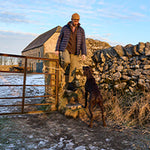
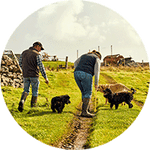
Petter comes from the north of Sweden where he runs a farm and a dog sledding business. His company offers multi-day tours through Europe’s largest nature reserve and Petter himself competes in long-distance races. In recent years, he has won the most important and challenging races in Europe, and has made it his mission to assemble the best dog team in the world.

Winter has made an early appearance this year; it’s not even November and we already have 30 cm of snow. Autumn training is in full swing, and my 3 dog handlers and I train dogs almost every day. Currently, we use ATVs and carts for dog training, but we hope to switch to sleds soon. Up here in northern Sweden – just 150 km south of the Arctic Circle – winters are cold and long, so we usually have enough snow to go sledding for about half the year. My primary goal for the upcoming season is to win the 1200 km Finnmarksløpet race in Norway for the third time. But what I love most is being out in nature with my dogs! We also offer dog sledding tours, and once the racing season is over, I will personally lead some 8-day expeditions into Europe's largest nature reserve. I always enjoy these trips, and alongside the experienced racing dogs, I also bring some young dogs to see who has the talent to earn a spot on next year's race team.
The Team
Currently, 36 dogs are training with the race team. From these, we will select the best 26, form two teams, and then compete in long-distance races in Sweden, Finland, and Norway. The other dogs will stay at home, accompanying guests on our multi-day tours. My race team has a good mix: males and females, aged 2-8 years, large and small. The interesting thing about long-distance racing is that not only big and strong dogs are on the race team. I need dogs that can run 1000 km in 6 days and still be happy and healthy. Often, it's the more relaxed dogs, those who don't pull as hard at the beginning, who reach the finish line still smiling and begging for a treat. One of my favorite dogs is Grey, a small female who is almost half the size of the biggest dog on my team, but she is always content, always hungry, and also particularly strong-willed and determined. When she's on the team, the team doesn't run faster in the first half of the race, but performs better in the second half – and that's when it counts.

The Puppies
Every year we also have a few puppies. It's infinitely fun to watch them grow up and teach them how to become a sled dog. They have a natural urge to pull, so we don't have to teach them that. What we do have to teach them is how to behave and how to control their energy. From my office, I look directly into the puppy enclosure, and watching them play and have fun with each other is better than television! We introduce them to food at 2 weeks old, and by 4 weeks, they all rush out of their huts when they see the food coming. But it's also a lot of work because we have to make sure every puppy gets the same attention. Especially the small and shy ones get trampled by their bigger siblings. Therefore, it's our duty not to be distracted by the puppies who like to be the center of attention, but to show everyone some attention and love. Currently, the youngest litter of puppies is one month old. If you want to stay updated and see how much work it takes to be so cute, you can follow @petterkarlssonsleddogs on Instagram – we post regular updates!

Fun Facts
When the dogs get too old for sled racing, they retire and join the tour team. If they no longer feel like touring, they are allowed to stay at home. They then accompany the young dogs on short training runs and teach them how to do it right. This means that some of the best dogs in the world, who have won the most important races in Europe, can spend their golden years with our guests on tours, showing them their territory and creating unforgettable memories.
One of my favorite lead dogs is Kira. When I won Finnmarksløpet in 2016, I had a cold. She was on my team, and every time I coughed, she would bark like crazy and the whole team would run faster. At first, I found it a bit annoying, but then I tried to control my cough to get those bursts of energy when I needed them, for example, on steep climbs. To this day, I still laugh when I think about it. She has now retired from racing and is enjoying her new life as a tour dog. Every time one of us goes to her kennel and calls her name, she jumps out, wags her butt (not just her tail), barks, and smiles with joy. She is also a fan favorite on our tours and makes everyone laugh with her loud and bubbly personality. Life with so many dogs is not always easy; it's more like 365 days of chaos a year, but the opportunity to explore nature with them and help them do what they love is always worth it!