 Kanada FR
 USA
USA Großbritannien
 Europäische Union
 New Zealand
 Australia




About Chris Martischius
Whether it’s scorching hot on the border between Tajikistan and Afghanistan, or 80 degrees cold on the frozen Bering Strait - it's mainly the wild, barren places and the stories of their inhabitants that have fascinated Chris since his childhood. Chris was born and grew up in the Southwest of Germany. His work as a photographer and journalist has been published by major German and international magazines and newspapers. He has just returned from a 1000 kilometre long packrafting expedition in Alaska.

What was your last adventure about?
Alaska is called the "Last Frontier" and is almost five times the size of Germany - and has fewer inhabitants than Frankfurt. The impression most Europeans have when they think of the 49th state of the USA is full of stereotypes and is repeatedly dominated by the same old images.
Our goal was to delve deeper into this fascinating region and hike off the beaten track in one of Alaska's most remote regions. Covering more than 1000 kilometres in the wilderness from the mountains of the Brooks Range to the mighty Yukon River, hiking and packrafting, was a real sporting challenge. But above all, these six weeks in the wilderness were a great opportunity to see this part of Alaska with new eyes and to learn more about the land and the people who call it home.

What is the most important piece of equipment on such a trip?
I don't think there is one single most important piece of equipment. We experienced everything - from heavy thunderstorms and strong headwinds to extremely difficult hikes in the wilderness and some medical problems. Some parts of our equipment failed us, so we constantly had to improvise. From experience, I can say that it's often the supposed little things that can break your neck. Especially in such harsh or remote environments as high mountains, deserts or arctic regions.
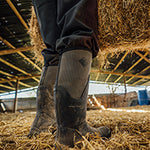
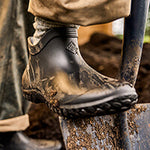
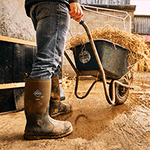
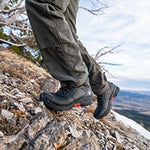
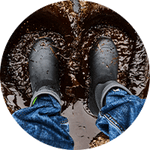
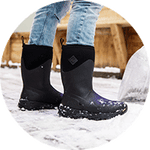
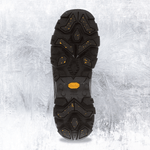
I think it's pretty safe to say that shoes are among the most important things that can either ruin a trip or make it a success. I once had to abandon an expedition with frostbite on my toes just because the lining of my boots wasn't optimal. Being able to move quickly and safely can save lives - especially when things get out of hand. But that's exactly why you need the right shoes. It wasn't easy to find boots for this particular adventure that were both knee-high waterproof so they were suitable for paddling, but at the same time sturdy enough to carry 35 kilograms on our backs through rugged forests and alpine terrain. But the Muckmaster boots proved to be the perfect choice.

What is your personal summary after these adventurous 6 weeks in the wilderness?
It's impossible to describe all our adventures and experiences in just a few words, but the saying "Hope for the best, but prepare for the worst" hit the nail on the head in many situations.

Related categories
Waterproof hiking boots
Read more Muck Stories
An interview with dog sled driver Petter Karlsson